A common type of electrical switch known as a “Dome Switch” is one that covers the underlying circuit with a dome made of rubber, silicone, or metal. Due to the clear tactile feedback it provides the user, metal dome switches are frequently chosen to match their rubber/silicone counterparts. Read More…
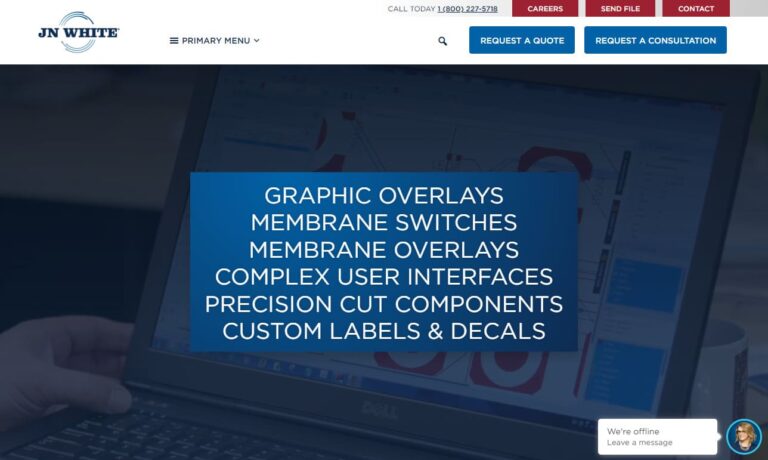
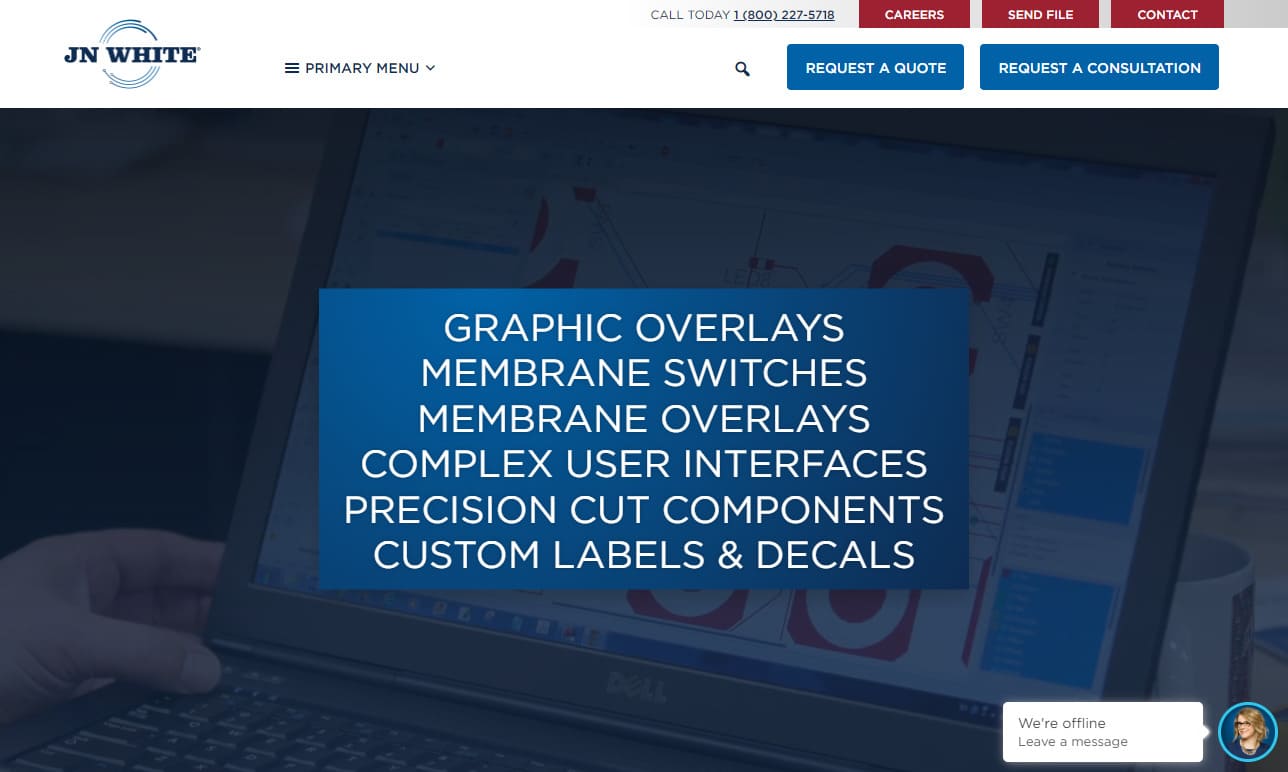
JN White is an ISO 9001:2015 and ITAR-certified manufacturer of membrane switches, graphic overlays, and custom labels. We nimbly handle projects big and small and have the uncommon ability to translate what our customers need into high-quality, high-precision outcomes.
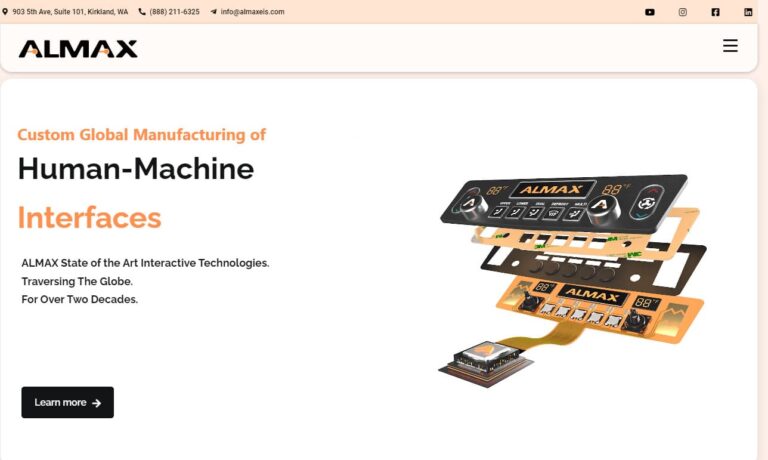
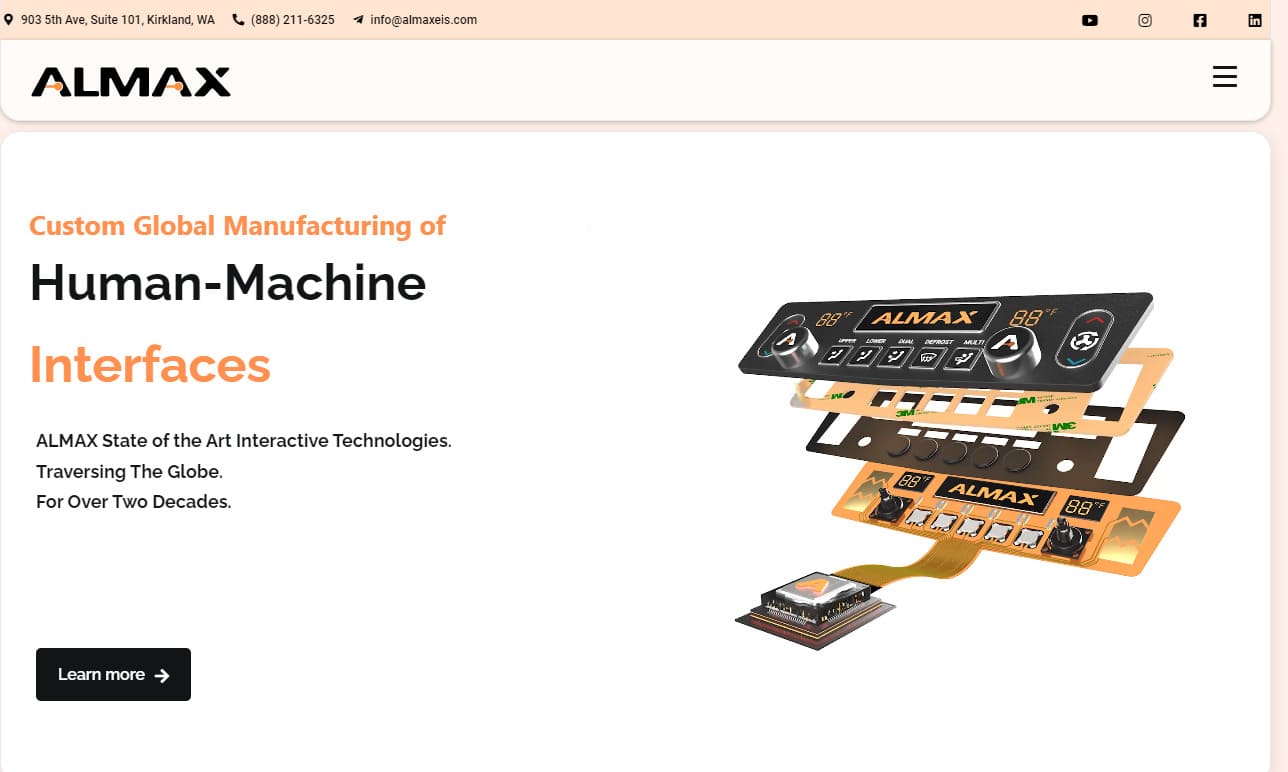
With over 30 years of experience, ALMAX is a leading manufacturer of membrane switch assemblies, printed/flexible electronics, and interactive technologies. Our engineering and manufacturing capabilities are implemented and trusted around the globe, and we're proud to offer our clients a complete range of services that meet the highest standards of quality and reliability.
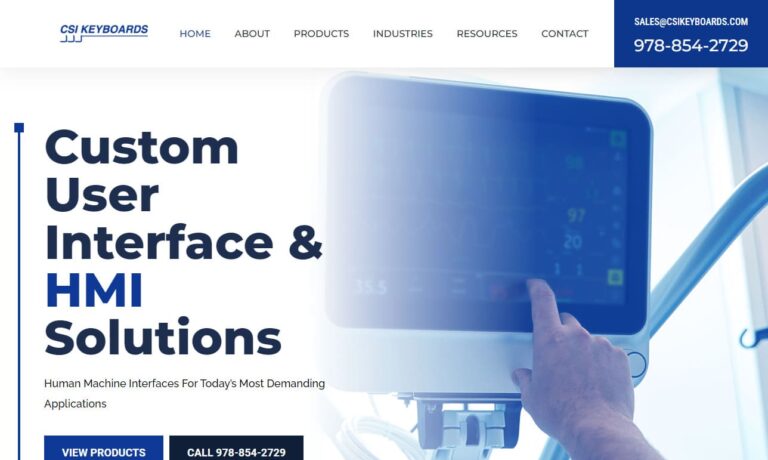
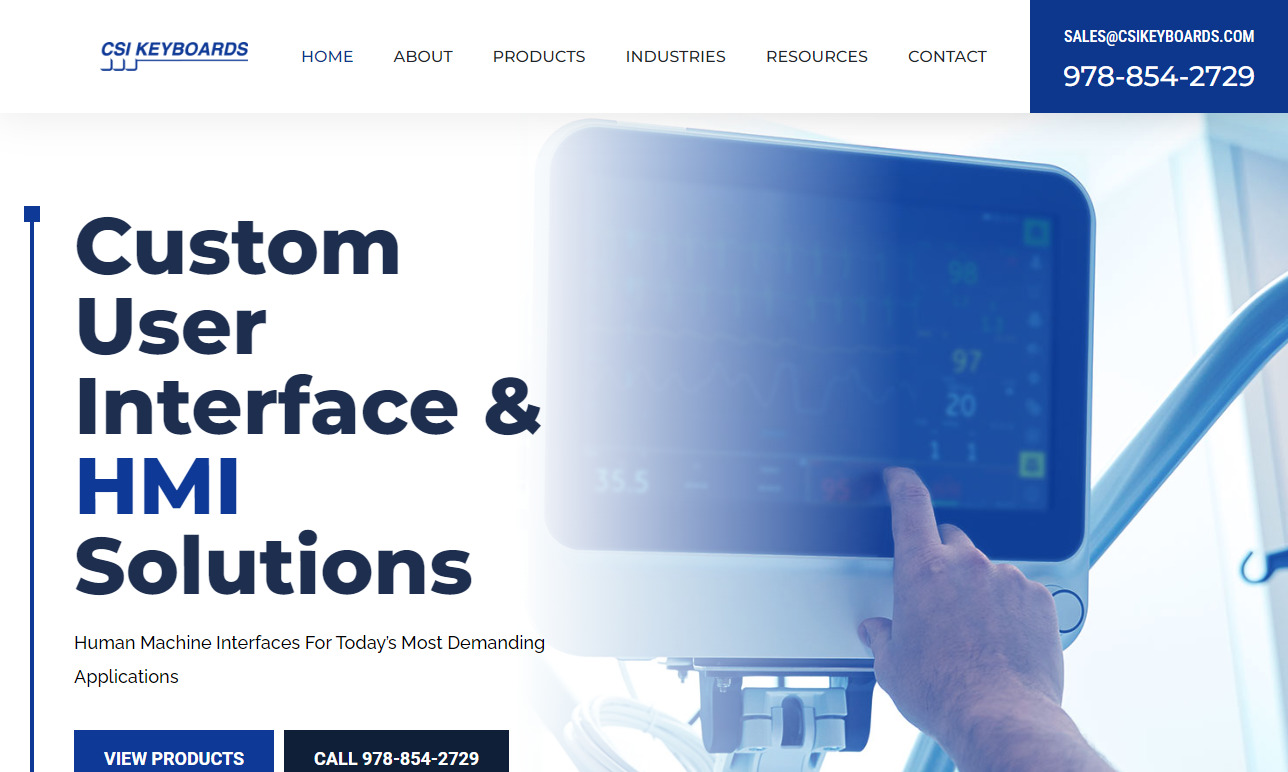
Established in 1982, we at CSI Keyboards, Inc. have been at the forefront of the industry, dedicated to crafting exceptional membrane keyboards, membrane switches, and keypads. Since our journey began, we have honed our expertise to become a leading force in the field. Our skilled team of professionals is passionate about pushing the boundaries of membrane switch technology, consistently...
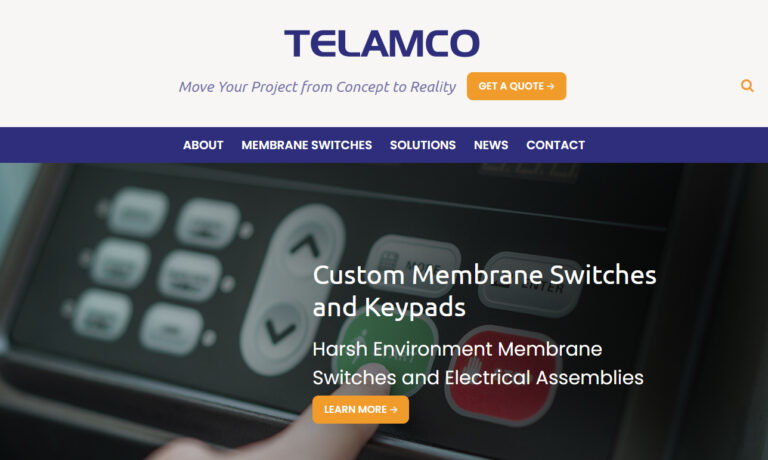
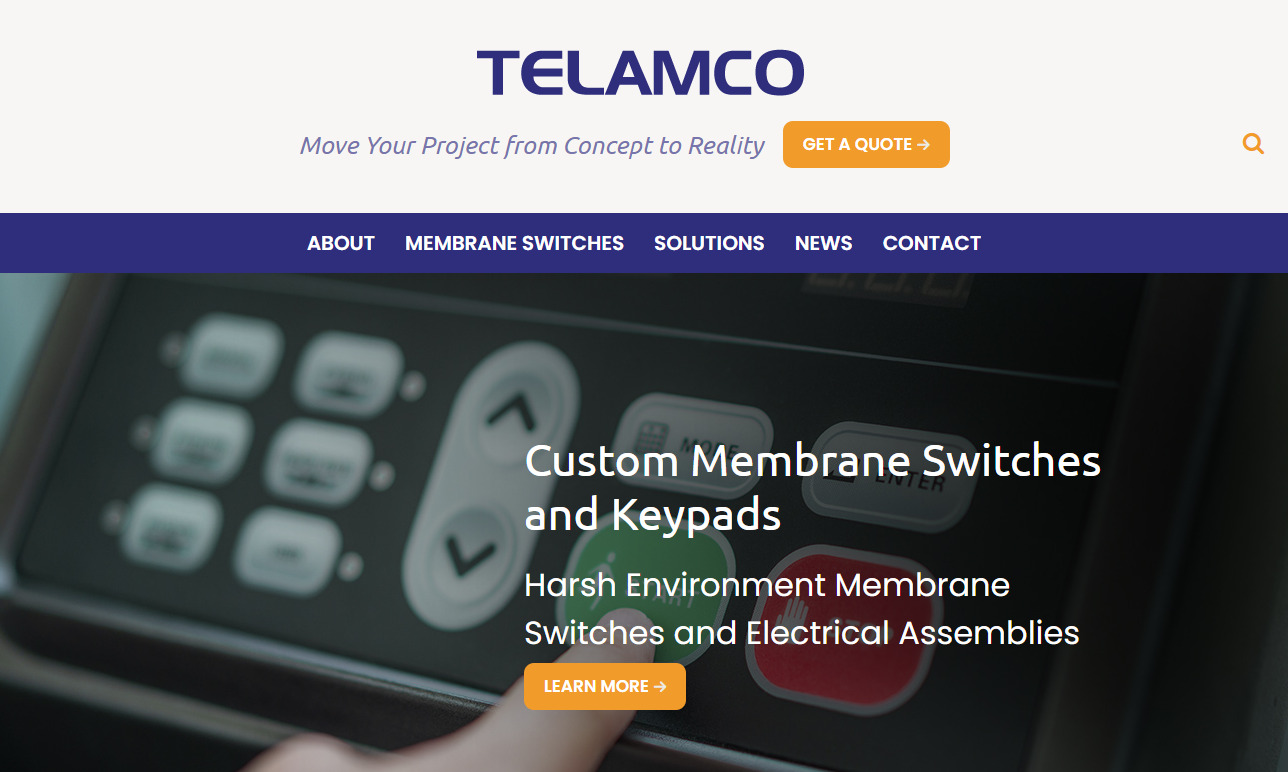
At Telamco, Inc., we specialize in the design and manufacturing of high-quality membrane switches, providing our clients with robust solutions that meet their diverse needs across a variety of industries. Our products are crafted with precision to deliver durability, reliability, and exceptional performance in environments where control and durability are paramount.
At Cole Graphic Solutions, we specialize in providing high-quality membrane switches designed to meet the unique needs of a variety of industries. With a commitment to excellence, we offer custom solutions that are built to deliver exceptional performance, durability, and precision.



More Dome Switch Manufacturers
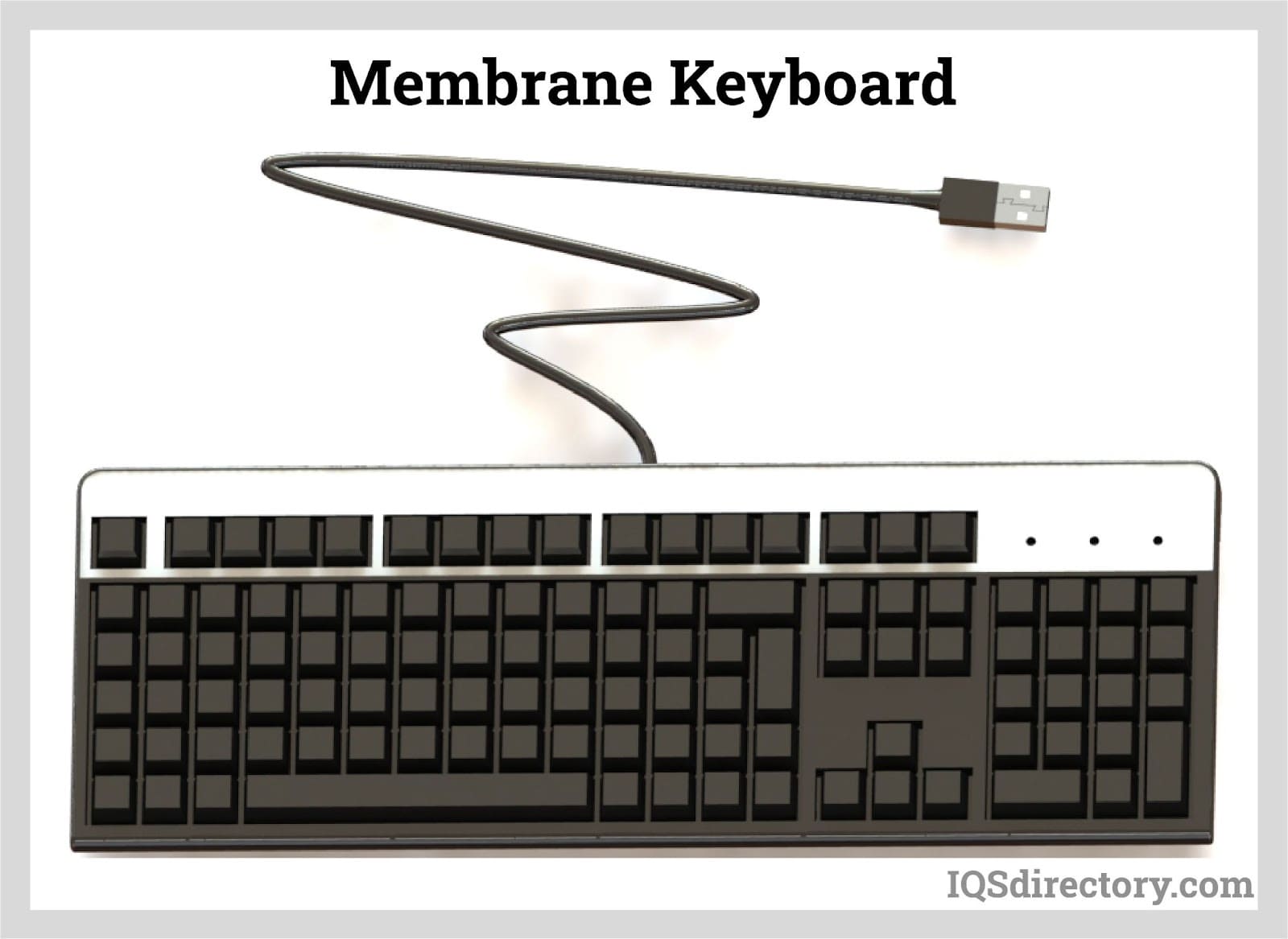
Experience a satisfying tactile digital sensation with every keypress using a dome switch. This precise mechanical feedback is vital for reducing typing errors, as it clearly signals to the user whether their keypress has been successfully registered on the device. Dome switches, often found in membrane keyboards, medical devices, industrial control panels, and consumer electronics, are trusted for their reliability, longevity, and high-performance user interface capabilities.

Design of Dome Switches: Construction, Materials, and Key Features
When evaluating dome switch design for your application, it's important to understand the various types and their specific advantages. Dome switches are typically available in two main forms: metal dome switches and rubber dome switches. Each construction method delivers unique tactile feedback, lifecycle, and application suitability, making the choice critical for product designers and engineers looking to optimize their user interface solutions.
The quieter collapsing rubber dome switch provides a softer tactile response but generally has a shorter operational lifespan than metal dome switches and does not deliver the same crisp feedback. Polyester domes with a graphite-coated interior bubble are frequently used, providing a balance between cost and tactile sensation. However, rubber domes are often selected for budget-sensitive applications. When a dome switch is pressed, the internal dome collapses, completing the circuit on the device’s printed circuit board (PCB). This action instantly transmits user input to the electronic device, ensuring both audible and tactile confirmation for reliable operation.
Looking for the best dome switch design for your project? Explore the differences between circular, legged, oblong, and triangle dome switches below:
- Circular Dome Switches: These have a round, egg-like shape and are ideal for use with multilayer circuit boards. Their compact form factor makes them perfect for high-density PCB layouts in compact devices.
- Legged Dome Switches: Featuring four distinct legs, these are suitable for single or double-sided PCBs, offering robust mechanical stability and versatility in mounting options.
- Oblong and Triangle Dome Switches: These specialized shapes allow engineers to optimize actuation force and fit the switch into unique spaces where traditional domes would not be practical.
The actual dome can be constructed from rubber or metal. Stainless steel domes are the most prevalent, often plated with nickel, silver, or gold to enhance conductivity and corrosion resistance. Metal dome switches are widely favored in demanding applications due to their reliability, consistent tactile feel, and extended operational life.
Curious about the role of dome switches in your industry? Jump to applications, use cases, and industry-specific benefits.
Function and Advantages of Dome Switches: Why Choose Dome Switches for Your User Interface?
- Tactile and Auditory Sensory Feedback: Dome switches are a popular choice in tactile switch design due to their distinctive snap and audible click. This clear feedback helps users confirm successful actuation, reducing input errors. Learn more about tactile switch solutions.
- Haptic Response: The characteristic "snap" of a dome switch keyboard is highly valued in both consumer and professional applications. This haptic feedback not only improves typing speed but also enhances accuracy in data entry or command input.
- Unmatched Durability: Dome switches set the standard for longevity, with many models rated for one million to five million cycles. In fact, metal dome switches frequently exceed five million actuations, making them the most reliable option in the membrane switch market.
- Low Maintenance and High Reliability: Dome switches are engineered for extended use, showing minimal performance degradation even after years of heavy operation. This makes them the preferred choice for high-traffic environments such as medical instruments, industrial machinery, and public kiosks.
- Sanitary and Hygienic: In cleanroom, laboratory, and medical environments, dome switches are often selected for their sealed construction, which resists contaminants and supports easy cleaning and sterilization.
Are you researching the benefits of dome switches for demanding environments? See how dome switches enhance reliability and efficiency in mission-critical applications.

Types of Dome Switches: Exploring Metal and Rubber Dome Options
Dome switches come in a variety of configurations, each tailored to specific user interface needs. Selecting the right dome switch involves evaluating the required tactile force, electrical characteristics, device size, and environmental conditions.
Round Metal Dome
Round or circular metal domes are ideal for applications that require a low-profile, soft tactile response. Their geometry makes them well-suited for use in multi-layer PCBs and membrane overlays, ensuring smooth integration into slim electronic devices such as handheld controls, medical keypads, and automotive panels.

Four-Legged Dome Switch
The four-legged dome switch is known for its versatility and robust tactile feedback. Compatible with single or double-sided PCBs, flex circuits, and membrane switch panels, these domes provide high actuation forces suitable for applications where a firm and reliable response is required. Their design also allows for easy customization to meet unique force or travel specifications.
Triangle Metal Domes
Triangle metal domes (three-legged domes) are engineered for compact spaces. Despite their small size, they deliver strong actuation forces, making them the preferred choice for miniaturized devices, remote controls, and space-constrained electronics where every millimeter counts.
Scissor-Switch Dome
The scissor-switch is an advanced dome switch configuration that incorporates a scissor-like mechanism beneath each key. This design enables precise and rapid actuation, allowing for closer key spacing and a flatter keyboard profile. Scissor-switch dome keyboards are commonly found in laptops and compact desktop peripherals, where reduced key travel and increased typing speed are essential. Additionally, their construction helps prevent dust and debris from entering the switch mechanism, promoting long-term reliability.
Dome Switch Applications: Where Are Dome Switches Used?
Dome switches are a foundational technology in a wide range of industries, offering reliable performance in environments where user interface quality is critical. Common applications include:
- Medical Devices: Dome switches are widely used in medical keypads, diagnostic instruments, and hospital equipment. Their sealed design supports hygienic operation and easy sterilization, making them suitable for use in cleanrooms and patient care environments.
- Industrial Control Panels: In manufacturing automation, process control, and factory floor equipment, dome switches provide the tactile precision and durability required for operators to interact with complex systems efficiently and safely.
- Consumer Electronics: Dome switches are prevalent in remote controls, calculators, handheld gaming devices, and kitchen appliances, delivering reliable user input in compact, user-friendly packages.
- Automotive Controls: Automotive interiors frequently utilize dome switches for dashboard controls, steering wheel buttons, and infotainment systems, where tactile feedback and long-term reliability are essential.
- Public Kiosks and Self-Service Terminals: ATMs, ticketing kiosks, and vending machines often employ dome switch keypads for their resilience to heavy use and vandal resistance.
- Point-of-Sale Systems: Retail POS terminals and barcode scanners benefit from dome switches' rapid response and high cycle life, ensuring fast and accurate transactions.
Wondering which dome switch configuration is right for your application? Contact our experts for personalized recommendations based on your industry needs.
Key Benefits of Dome Switches: What Sets Them Apart?
Dome switches bring a host of performance, reliability, and ergonomic benefits to the table, making them the preferred choice for both mass-market and mission-critical products. Here are the top advantages:
- Exceptional Tactile Feedback: Users receive a clear indication of actuation, reducing input errors and increasing data entry confidence.
- Long Lifecycle: Metal dome switches can exceed five million cycles, greatly reducing maintenance and replacement costs over the product's life.
- Clean and Sealed Operation: Dome switches can be easily integrated into waterproof or dustproof membranes, supporting compliance with IP ratings and other regulatory standards.
- Customizable Actuation Force: Designers can specify actuation forces and travel distances to match application needs, providing a tailored user experience.
- Compact and Low Profile: The small size of dome switches supports modern, slim device designs without sacrificing tactile performance.
- Ease of Integration: Dome switches are compatible with various circuit board layouts and membrane overlays, streamlining the design and manufacturing process.
- Cost-Effective: Rubber dome switches provide an economical solution for high-volume consumer products, while metal domes deliver robust performance for demanding industrial and medical applications.
How to Select the Right Dome Switch for Your Project
Choosing the optimal dome switch involves evaluating multiple factors to ensure the best fit for your device or system. Consider the following decision factors:
- Actuation Force: What level of tactile resistance is appropriate for your users? Higher actuation force provides a firmer response, while lower force suits rapid, light-touch applications.
- Operating Environment: Will the switch be used in harsh, wet, or dusty conditions? Metal domes and sealed rubber domes are ideal for rugged environments.
- Electrical Performance: Consider the required contact resistance, bounce time, and current rating based on your device’s electrical specifications.
- Size and Form Factor: Match the dome size and shape to the available PCB space and user interface design requirements.
- Lifecycle Expectations: Industrial and medical devices may demand higher cycle life compared to consumer products.
- Customization Needs: Do you need custom graphics, backlighting, or unique overlay materials? Many manufacturers offer tailored dome switch solutions to match branding and functional requirements.
Not sure which dome switch meets your technical requirements? Request a free consultation or sample from leading dome switch suppliers.
Frequently Asked Questions: Dome Switches
- What is a dome switch? A dome switch is an electrical switch that uses a flexible dome (made of metal or rubber) to complete a circuit when pressed, providing tactile and audible feedback.
- How do dome switches compare to mechanical switches? Dome switches are generally quieter, more compact, and can be sealed against contaminants, making them suitable for applications where space and hygiene are concerns. Mechanical switches, while offering distinct tactile feedback, are typically larger and less suitable for thin device profiles.
- What industries use dome switches? Dome switches are utilized across medical, industrial, automotive, consumer electronics, and retail sectors due to their versatility and reliability.
- Can dome switches be customized? Yes, most dome switch manufacturers offer custom designs in terms of actuation force, shape, overlay graphics, backlighting, and environmental sealing.
- What is the typical lifespan of a dome switch? Metal dome switches often exceed five million cycles, while rubber domes are generally rated for one to two million cycles depending on usage and environmental conditions.
Choosing the Correct Dome Switch Manufacturer
To ensure you receive the highest quality dome switches for your application, it’s essential to partner with a reputable and experienced dome switch manufacturer. We recommend comparing at least five or six companies using our curated list of dome switch suppliers. Each dome switch manufacturer profile highlights their technical capabilities, industry expertise, and unique value propositions, helping you make an informed decision. Utilize our contact forms to request detailed product specifications, samples, or custom quotes directly from each supplier.
Ready to source dome switches for your next project? Browse our comprehensive directory of dome switch manufacturers and use our patented website previewer to compare product offerings, certifications, and case studies. For efficiency, our simple RFQ form allows you to contact multiple dome switch companies with a single message, saving you time and ensuring you receive competitive quotes.
Looking for additional guidance on membrane switch and user interface solutions? Explore our membrane switch resource center for in-depth information, case studies, and technical support.
Have more questions about dome switches, membrane keypads, or user interface technology? Contact our team of experts for personalized assistance, product recommendations, or to request engineering support for your application.
 Electric Coils
 Electric Switches
 Electric Transformers
 Electronic Connectors
 Electronic Enclosures
 EMI Shielding
 Membrane Switches
 Power Cords
 Static Eliminators
 Castings & Forgings
 Bulk Material Handling
 Electrical & Electronic Components
 Flow Instrumentation
 Hardware
 Material Handling Equipment
 Metal Cutting Services
 Metal Forming Services
 Metal Suppliers
 Motion Control Products
 Plant & Facility Equipment
 Plant & Facility Supplies
 Plastic Molding Processes
 Pumps & Valves
 Recycling Equipment
 Rubber Products & Services